ISO 23977 – Determining Aerobic Biodegradation of Plastics in Seawater
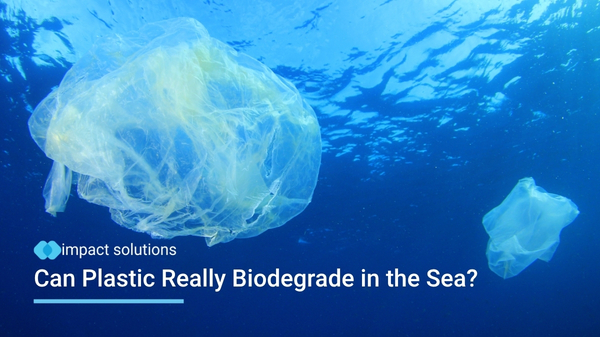
ISO 23977 seawater biodegradability testing provides clear, laboratory-verified evidence of how a plastic biodegrades in natural seawater, giving companies confidence in their sustainability performance and helping them meet regulatory and customer expectations.
With increasing focus on marine pollution, manufacturers of biodegradable plastics face growing pressure to verify environmental claims, especially for products that may end up in coastal or open-water environments.
What ISO 23977 Testing Involves
ISO 23977 specifies methods for assessing the aerobic biodegradation of plastics exposed to seawater, using the measurement of oxygen demand or carbon dioxide evolution as indicators of microbial activity.
This standard evaluates:
- Biodegradation rate and extent in real seawater conditions
- Microbial breakdown of polymers and additives
- Environmental suitability for marine applications
- Material performance compared to reference controls
It is one of the most reliable laboratory approaches for assessing how plastics behave in marine environments.
Methodology
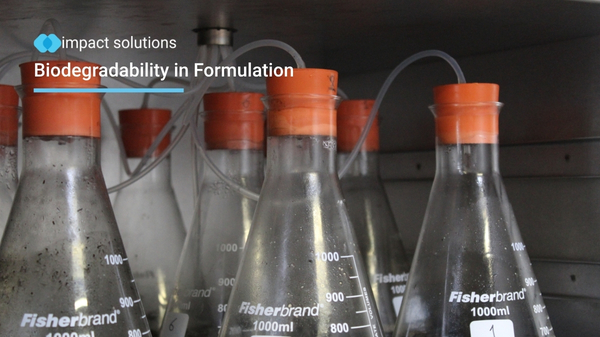
At Impact Solutions, ISO 23977 testing is carried out in controlled laboratory setups using authentic seawater sources or standardised artificial seawater, depending on the test variant.
A typical ISO 23977 programme includes:
- Sample preparation to standard dimensions and surface area.
- Incubation in seawater under controlled temperature and oxygenation.
- Monitoring biodegradation via oxygen consumption or CO₂ evolution.
- Comparative testing against a reference material.
- Data analysis to determine biodegradation percentage over time.
- Full reporting with compliance statements and detailed interpretation.
Testing typically runs for 28–84 days, depending on polymer type and performance requirements.
Relevant Industry Applications
ISO 23977 testing is commonly used in:
- Marine-degradable plastics and biopolymers
- Aquaculture equipment and components
- Coastal packaging applications
- Biodegradable fishing gear
- Material R&D for marine environments
- Water-soluble and bio-based polymers
Benefits of ISO 23977 Testing
- Provides robust laboratory evidence of marine biodegradability
- Helps manufacturers validate environmental and sustainability claims
- Supports regulatory compliance for products with marine exposure risk
- Enables comparisons of materials and formulations under controlled conditions
- Reduces risk of misleading claims that could damage brand credibility
- Offers quantifiable biodegradation data to support product development
FAQ
Q: Does passing ISO 23977 mean a material is fully marine biodegradable?
It provides a key indicator of a material's biodegradation behaviour in seawater, but full marine biodegradability claims may require additional testing under other standards.
Q: Is natural seawater required?
ISO 23977 allows both natural and artificial seawater depending on the chosen method.
Q: Can additives or colourants affect the results?
Yes, testing must be performed on the final product or formulation, as additives can influence biodegradation.