Automotive Horizontal Burning Test
Fire safety is a critical consideration in the design of vehicle interiors. Materials used throughout the passenger compartment must demonstrate controlled burning behaviour to help reduce the spread of fire and provide occupants with valuable time to react in the event of an incident.
Failure to meet automotive flammability requirements can result in product rejection, delayed vehicle approvals, costly redesigns and supply chain disruption. Manufacturers and suppliers therefore need reliable testing to verify that interior materials comply with recognised automotive standards.
The Automotive Horizontal Burning Test provides a standardised method for evaluating the flammability of materials used within vehicle interiors, helping manufacturers demonstrate compliance and ensure product safety.
What the Automotive Horizontal Burning Test Involves
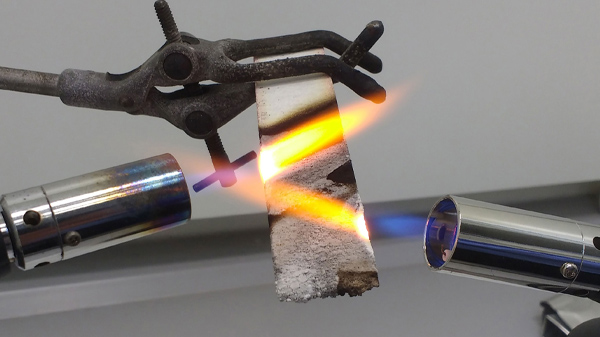
The Automotive Horizontal Burning Test measures the horizontal burn rate of materials used within the occupant compartment of motor vehicles.
Testing is performed in accordance with:
- FMVSS 302
- ISO 3795
- SAE J369
The test evaluates how quickly a material burns after exposure to a small ignition source and determines whether it satisfies the maximum burn rate requirements specified by the applicable standard.
During testing, the material is assessed for:
- Linear burn rate
- Flame propagation
- Self-extinguishing behaviour
- Burn distance
- Burn time
The results provide manufacturers with objective data to demonstrate compliance with automotive flammability requirements.
Methodology
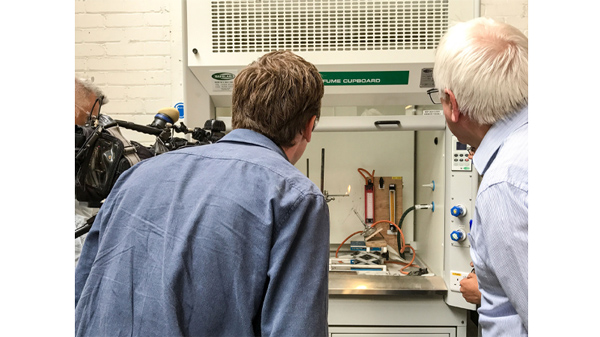
At Impact Solutions, Automotive Horizontal Burning Tests are carried out using calibrated flammability testing equipment in accordance with recognised international automotive standards.
A typical testing programme includes:
- Preparation of representative specimens to the dimensions specified by the relevant standard.
- Conditioning of samples under controlled temperature and humidity.
- Horizontal mounting of the specimen within the test chamber.
- Application of a controlled flame for the specified duration.
- Measurement of flame travel and burn time.
- Calculation of the linear burn rate where applicable.
- Assessment of compliance with the relevant automotive standard.
- Comprehensive reporting including observations, burn rate calculations and compliance assessment.
Testing is conducted under controlled laboratory conditions to ensure accurate, repeatable and reliable results.
Relevant Industry Applications
Automotive Horizontal Burning Testing is widely used for:
- Automotive seating materials
- Interior trim components
- Headliners
- Door panels
- Dashboard materials
- Carpets and floor coverings
- Acoustic and thermal insulation
- Commercial vehicle interiors
- Bus and coach interior materials
Benefits of Automotive Horizontal Burning Testing
- Demonstrates compliance with recognised automotive flammability standards
- Supports vehicle type approval and customer specifications
- Assists with material selection during product development
- Identifies fire performance issues before production
- Enables comparison between different materials and suppliers
- Supports quality assurance and ongoing compliance
- Reduces the risk of product rejection and redesign
Need to demonstrate compliance with automotive interior flammability requirements?
Contact Impact Solutions to discuss Automotive Horizontal Burning Testing to FMVSS 302, ISO 3795 and SAE J369 and ensure your materials meet the required fire performance standards.
FAQ
Q: What is FMVSS 302?
FMVSS 302 is a United States Federal Motor Vehicle Safety Standard that specifies the flammability requirements for materials used in the occupant compartments of motor vehicles.
Q: What is the difference between FMVSS 302 and ISO 3795?
Both standards use very similar horizontal burning test methods to evaluate automotive interior materials. The applicable standard is typically determined by customer, market or regulatory requirements.
Q: Which automotive materials can be tested using FMVSS 302?
The test is suitable for a wide range of interior materials, including plastics, textiles, foams, composites, carpets, insulation materials and trim components.