UL94 Thin Material Vertical Burning Test (VTM) – Flammability Testing for Films and Flexible Plastics
Thin and flexible plastic materials behave very differently in fire compared to rigid components. Films, foils, and flexible substrates can shrink, distort, or drip, making standard flammability tests unsuitable or misleading.
Without the correct test method, manufacturers risk invalid results, failed certifications, and delays to market, particularly in industries such as electronics, insulation, and flexible packaging.
The UL94 Thin Material Vertical Burning Test (VTM) is specifically designed for these materials, providing accurate classification and helping you demonstrate compliance with fire safety requirements.
What UL94 Thin Material Testing Involves
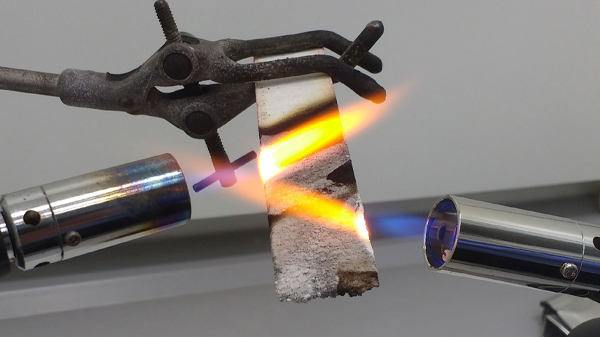
The UL94 VTM test evaluates the flammability behaviour of thin, flexible plastic materials when exposed to a controlled flame in a vertical orientation.
It assesses:
- Ignition and flame spread behaviour
- Afterflame and afterglow time
- Dripping characteristics
- Self-extinguishing performance
Materials are classified into:
- VTM-0 highest level of flame resistance
- VTM-1 intermediate performance
- VTM-2 basic compliance
This test is essential for materials that cannot be reliably assessed using standard UL94 vertical tests.
Methodology
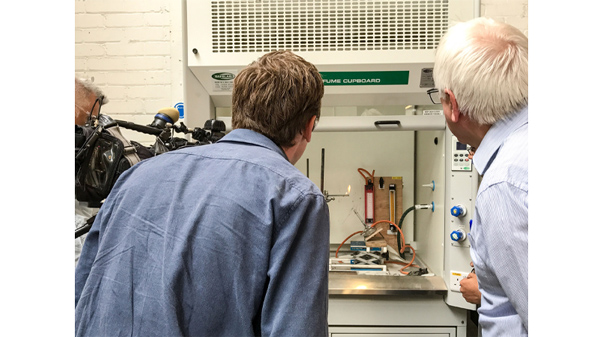
At Impact Solutions, UL94 thin material testing is conducted using controlled procedures designed for flexible and low-thickness materials.
A typical programme includes:
- Preparation of thin film or flexible specimens to defined dimensions.
- Conditioning under controlled temperature and humidity.
- Vertical mounting of the specimen.
- Application of a small flame source for specified durations.
- Measurement of afterflame and afterglow times.
- Observation of dripping behaviour and ignition of indicators.
- Classification into VTM ratings based on performance criteria.
- Detailed reporting with clear classification results.
The test is specifically adapted for materials that may shrink or deform under heat.

Based on the measured values use the following table to classify the material as VTM-0, VTM-1 or VTM-2.

Test setup: The Bunsen burner and test specimen are set up as shown in the following test schematic.
ISO 9773
The UL94 VTM method aligns closely with International Organization for Standardization ISO 9773, which defines a laboratory procedure for assessing the burning behaviour of thin, flexible plastic specimens exposed to a small flame.
ISO 9773 is particularly important for materials that cannot be tested using standard rigid specimen methods because they distort or shrink away from the flame source.
Both UL94 VTM and ISO 9773 focus on:
- Thin, flexible materials
- Vertical flame exposure
- Measurement of afterflame and afterglow times
- Comparative assessment of flammability performance
This alignment supports global testing strategies and helps ensure consistency across international markets.
Relevant Industry Applications
UL94 thin material testing is widely used for:
- Flexible films and sheets
- Wire and cable insulation
- Electrical insulation materials
- Flexible electronics and displays
- Packaging films
- Textiles and coated fabrics
Benefits of UL94 Thin Material Testing
- Provides accurate flammability data for thin and flexible materials
- Supports compliance with UL and international fire standards
- Enables correct classification for films and flexible substrates
- Reduces risk of failed testing due to inappropriate methods
- Supports product development and material selection
- Builds confidence with regulators and certification bodies
Working with thin or flexible materials that need fire classification?
Contact Impact Solutions to discuss UL94 thin material testing and ensure your products meet the correct flammability requirements.
FAQ
Q: Why can’t thin materials be tested using standard UL94 methods?
Thin materials often shrink or distort when exposed to flame, which can lead to unreliable results if tested using rigid specimen methods.
Q: What is the difference between VTM and V ratings?
VTM ratings are specifically for thin, flexible materials, while V ratings apply to rigid plastic specimens.
Q: Is ISO 9773 equivalent to UL94 VTM?
They are closely aligned and used for similar purposes, although requirements may differ depending on certification needs.