As organisations look for ways to reduce their environmental impact, PLA bioplastic has emerged as one of the most promising sustainable alternatives to conventional plastics. Derived from renewable resources and compatible with many existing manufacturing processes, PLA offers a practical route towards more responsible material use. At Impact Solutions, we support businesses in evaluating sustainable plastics such as PLA to ensure they deliver genuine environmental and operational benefits.
What Is PLA Bioplastic?
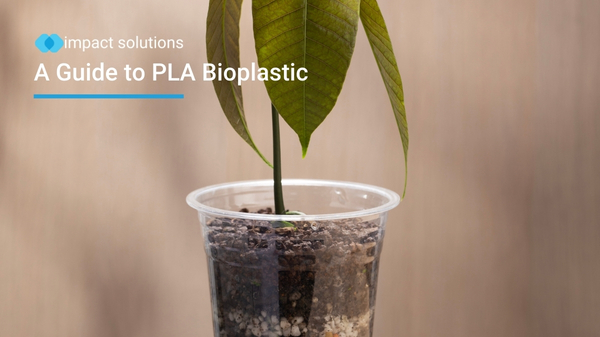
PLA bioplastic, or polylactic acid (PLA), is a bio-based plastic produced from fermented plant sugars, most commonly sourced from maize starch or sugarcane. Unlike traditional plastics, which are made from fossil fuels, PLA begins with renewable raw materials that absorb carbon dioxide as they grow, helping to reduce overall greenhouse gas emissions.
Through industrial processing, these plant-based sugars are converted into a durable and versatile plastic suitable for a wide range of applications. Because PLA is derived from renewable materials, it generally offers a lower carbon footprint at the raw material stage compared with petroleum-based plastics.
Environmental Benefits of PLA Bioplastic
One of the main advantages of PLA bioplastic is its potential to support sustainability objectives across the product lifecycle. When compared with conventional plastics, PLA can reduce dependence on fossil fuels while encouraging the use of renewable materials.
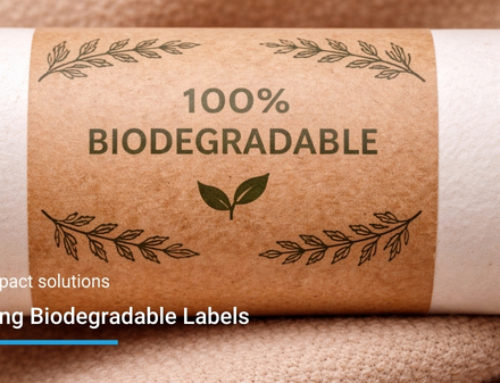
PLA is often described as a biodegradable plastic, but it is more accurately defined as industrially compostable. Under controlled composting conditions, including the correct temperature, moisture levels and microbial activity, PLA can break down into natural substances such as water and carbon dioxide. This makes it a valuable option for organisations seeking to reduce waste and support circular economy initiatives.
However, careful planning is required to ensure these benefits are realised in practice.
Performance and Manufacturing Compatibility
In addition to its sustainability credentials, PLA bioplastic performs well in many manufacturing environments. It can be injection moulded, thermoformed, extruded and 3D printed, allowing organisations to adopt PLA with minimal disruption to existing equipment and processes.
PLA offers several practical benefits:
-
High rigidity and dimensional stability
-
Excellent surface finish and clarity
-
Consistent and predictable processing behaviour
These characteristics make PLA particularly suitable for packaging, consumer products, prototyping and selected industrial applications. Continued innovation in material development is also improving heat resistance and durability, expanding the range of potential uses for PLA in sustainable manufacturing.
Compostability and End-of-Life Considerations
Although PLA is commonly marketed as compostable, it typically requires access to industrial composting facilities to break down effectively. In landfill conditions or the natural environment, decomposition can be slow and limited.
For this reason, Impact Solutions Livingston promotes transparency and system-based thinking when implementing compostable bioplastics. Clear product labelling, access to appropriate waste streams and open communication with end users are essential to avoiding misleading environmental claims and ensuring responsible disposal.
When integrated thoughtfully, PLA bioplastic can support effective waste management strategies rather than create additional challenges.
Applications of PLA Bioplastic Across Industries
PLA is already used across a wide range of sectors, including:
-
Packaging: Compostable food containers, films and clear packaging
-
Healthcare and medical: Biocompatible components and temporary implants
-
Manufacturing and prototyping: 3D printing, tooling and concept models
-
Consumer products: Cutlery, casings and disposable items
As demand increases for eco-friendly plastic alternatives, PLA continues to gain traction as a reliable and scalable solution.
PLA and the Future of Sustainable Manufacturing
PLA bioplastic is not a universal replacement for all plastics, but it plays an important role in reducing environmental impact when used appropriately. Genuine sustainability depends on assessing materials based on performance, lifecycle impact and realistic end-of-life outcomes.
At Impact Solutions, we help organisations make informed decisions about sustainable plastics, balancing environmental responsibility with operational performance. By integrating materials such as PLA into a wider sustainability strategy, businesses can move beyond surface-level solutions and deliver measurable, long-term impact.
Final Thoughts
As regulations tighten and expectations around sustainability continue to rise, materials such as PLA bioplastic will play an increasingly important role in modern manufacturing. By selecting renewable, lower-impact alternatives and implementing them responsibly, organisations can reduce their environmental footprint while maintaining quality and efficiency.
PLA shows that innovation and sustainability are not opposing forces. They are becoming essential partners in the future of manufacturing.
To learn more about end-of-life environments, biodegradation testing, rapid biodegradability screening and more; visit Impact-Bio® today.