ASTM G154 : Automotive Accelerated Weathering Standards
ASTM G154 – Fluorescent UV Exposure of Non-metallic Materials
Outdoor environments are harsh; sunlight, moisture, and temperature cycles can quickly degrade materials, leading to fading, cracking, or brittleness.
Manufacturers across industries face the same challenge: how do you know your product will last?
ASTM G154 UV weathering testing provides the answer. By replicating years of sunlight and weathering in a controlled lab setting, this test helps you predict performance, extend product life, and validate durability claims with confidence.
What ASTM G154 Testing Involves
ASTM G154 outlines a procedure for exposing non-metallic materials; such as plastics, paints, coatings, and composites, to fluorescent UV light and moisture cycles.
It is one of the most widely used accelerated weathering tests worldwide.
In essence, it simulates:
- Sunlight using UV lamps
- Moisture through condensation or water spray
- Heat with controlled black panel temperature
This combination allows manufacturers to assess how materials change in appearance, strength, and functionality after prolonged outdoor exposure.
Methodology
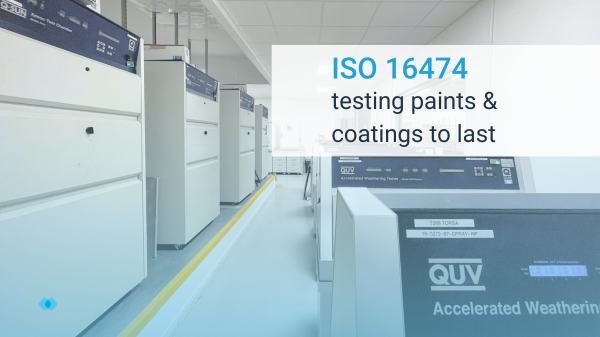
At Impact Solutions, ASTM G154 testing is conducted in QUV accelerated weathering chambers, designed for precise control of UV intensity, temperature, and humidity.
A typical exposure cycle includes:
- Mounting specimens inside the QUV chamber.
- Programming eight exposure cycles
- Continuous monitoring of irradiance and temperature for consistent conditions.
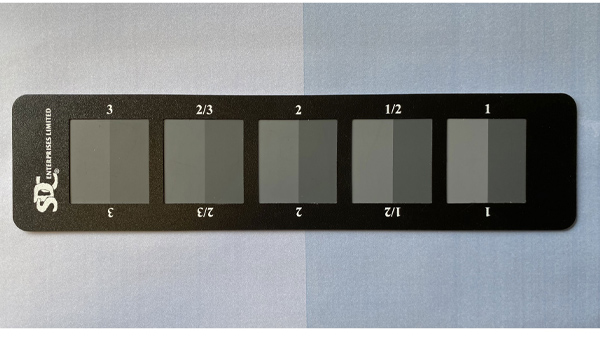
- Periodic inspection and testing for colour change, gloss retention, cracking, or tensile property loss.
Exposure durations can vary from hundreds to thousands of hours, depending on the material type, expected service environment, and test objectives.
Relevant Industry Applications
ASTM G154 testing supports a wide range of industries:
- Plastics and polymers – weathering and colour stability
- Paints and coatings – gloss and adhesion retention
- Automotive and aerospace – interior and exterior component durability
- Building materials – roofing, siding, sealants, and composites
- Consumer goods – packaging, furniture, and outdoor equipment
Benefits of ASTM G154 Testing
- Accelerated insight into long-term weathering performance
- Predictable, repeatable results under controlled conditions
- Helps validate UV stabiliser and additive performance
- Reduces product failure risks and warranty costs
- Provides confidence for regulatory, certification, or customer compliance
FAQ
Q: What’s the difference between ASTM G154 and ASTM G155?
ASTM G154 uses fluorescent UV lamps, while ASTM G155 uses xenon arc lamps that more closely simulate full-spectrum sunlight.
Q: How long does a typical ASTM G154 test last?
Anywhere from 500 hours to 2,000+ hours, depending on the product and desired exposure equivalent.
Q: Can I compare G154 results with real outdoor performance?
Yes, while accelerated weathering doesn’t replicate every real-world factor, it provides correlated, comparative data useful for screening and quality control.
Want to understand how your materials withstand the elements?
Contact Impact Solutions to discuss ASTM G154 testing and how we can help you accelerate your durability and quality assurance programmes.