ASTM D4459 : Automotive Accelerated Weathering Standards
ASTM D4459 – Xenon Arc Exposure of Plastics
Plastics used outdoors face the full force of natural weather: intense sunlight, heat, humidity, and rainfall. These conditions can quickly cause colour fading, brittleness, cracking, or loss of mechanical properties, leading to quality issues and customer dissatisfaction.
ASTM D4459 testing helps manufacturers understand how plastics will behave in real-world environments by simulating years of outdoor exposure in a controlled, accelerated laboratory test.
What ASTM D4459 Testing Involves
ASTM D4459 outlines the use of xenon arc light to expose plastic materials to cycles of full-spectrum sunlight, heat, and moisture.
This test closely reproduces natural outdoor weathering and allows evaluation of:
-
Colour change and fading
-
Gloss loss
-
Surface cracking, chalking, or embrittlement
-
Mechanical degradation
-
Long-term UV and environmental durability
Xenon arc testing is considered one of the most realistic sunlight simulation methods for plastics.
Methodology
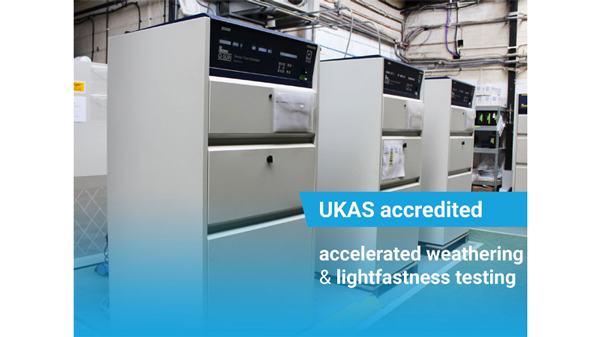
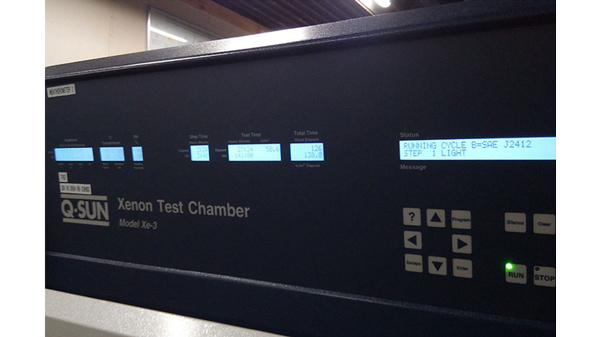
At Impact Solutions, ASTM D4459 testing is conducted using advanced xenon arc weathering chambers equipped with precise environmental controls and calibration systems.
Typical steps include:
-
Mounting plastic samples in a xenon arc chamber with appropriate optical filters.
-
Programming exposure cycles of light, temperature, and humidity per ASTM requirements.
-
Using spray or water cycles (if specified) to simulate rainfall or condensation.
-
Monitoring irradiance, black panel temperature, and humidity continuously to maintain compliance.
-
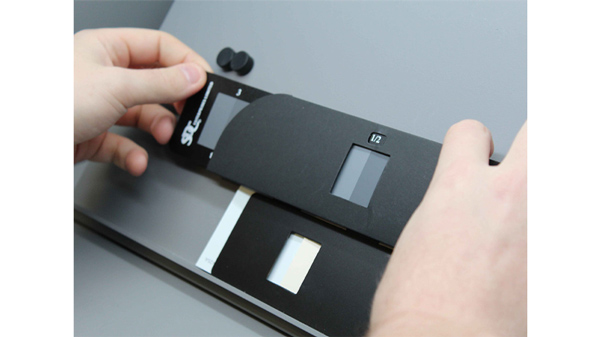
Performing periodic inspections for colour, gloss, and surface changes.
-
Completing a detailed final evaluation of aesthetic and mechanical performance.
Test durations commonly range from 500 to 2,000 hours, depending on the product and performance criteria.
Relevant Industry Applications
ASTM D4459 testing is ideal for manufacturers working with:
-
Automotive plastics (interior and exterior)
-
Outdoor consumer products
-
Electrical and telecom enclosures
-
Agricultural, horticultural, and landscaping plastics
-
Construction materials and polymer composites
-
R&D for UV stabilised plastics and masterbatch
Benefits of ASTM D4459 Testing
-
Provides realistic full-spectrum sunlight simulation
-
Reveals long-term degradation in weeks instead of years
-
Helps manufacturers benchmark materials and suppliers
-
Supports UV stabiliser optimisation and formulation development
-
Reduces the risk of premature failure in outdoor applications
-
Offers repeatable, standardised exposure conditions for accurate comparison
FAQ
Q: How is xenon arc testing different from fluorescent UV testing?
Xenon arc provides full-spectrum sunlight simulation (UV, visible, and IR), while fluorescent UV (like ASTM G154) focuses mainly on the UV portion. Xenon testing is more realistic for outdoor plastics.
Q: What exposure duration do I need?
Typical programmes range from 500–2,000 hours, depending on application, performance expectations, and whether you require comparative or absolute durability data.
Q: Can multiple materials be tested at once?
Yes. Xenon arc chambers allow direct comparison of different materials, colours, or stabiliser systems.
Ensure your plastics are truly ready for real-world exposure.
Contact Impact Solutions to discuss ASTM D4459 xenon arc testing, or to design a weathering programme tailored to your product.