Microplastics and fragmentation are becoming central concerns in the global sustainability debate. As pressure increases on manufacturers to reduce plastic pollution, more products are marketed as biodegradable. However, fragmentation is not the same as biodegradation, and misunderstanding this distinction can create significant environmental risk.
To make credible environmental claims, it is essential to understand how microplastics form and how proper biodegradation testing differs from simple physical breakdown.
What Are Microplastics?
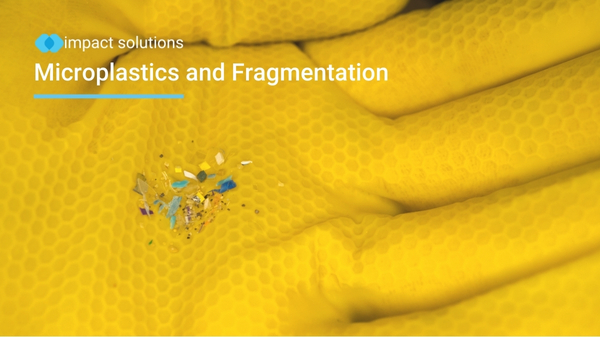
Microplastics are small plastic particles typically defined as being less than 5 millimetres in size. They originate from two main sources:
- Primary microplastics, intentionally manufactured at small sizes
- Secondary microplastics, formed when larger plastic items fragment into smaller pieces
It is this second category that raises serious concerns in relation to biodegradability claims.
When conventional plastics are exposed to sunlight, heat, moisture and mechanical stress, they can crack and fragment. Over time, these fragments become progressively smaller, eventually forming microplastics. However, the polymer structure remains largely intact. The material has not been biologically converted or mineralised.
Fragmentation alone does not eliminate environmental persistence.
Fragmentation Versus True Biodegradation
True biodegradation occurs when microorganisms break down a material and convert it into carbon dioxide, water, and biomass under defined environmental conditions.
This process is measurable through recognised standards that monitor carbon dioxide evolution or oxygen consumption. It demonstrates biological activity and chemical transformation.
Fragmentation, by contrast, is purely physical. A product may break into smaller pieces without undergoing any meaningful microbial conversion. In some cases, fragmentation can increase environmental risk by dispersing microplastics more widely across soil or aquatic systems.
This distinction is critical when assessing environmental impact.
Why Microplastics Present a Risk
Microplastics are now detected in marine environments, freshwater systems, soil and even the food chain. Research continues to examine their long term ecological and health implications, but several risks are already recognised:
- Persistence in the environment
- Transport through water systems
- Potential ingestion by wildlife
- Accumulation in agricultural soil
For industries developing packaging, agricultural films, textiles or consumer goods, unintended microplastic generation can undermine sustainability objectives and attract regulatory scrutiny.
Products that only fragment rather than biodegrade may still contribute to microplastic pollution.
Regulatory and Market Pressure
Across the UK and Europe, regulators are increasingly focused on reducing microplastic release. Environmental claims are under closer examination, and generic statements such as biodegradable without qualification are discouraged.
In recent years, the Organisation for Economic Co-operation and Development (OECD) have published proposals which focus on the reduction of microplastic pollution in water [1].
Manufacturers must demonstrate that materials undergo real biodegradation in the relevant environment. Claims that rely on visible disintegration alone may not satisfy regulatory expectations.
Retailers and brand owners are also demanding greater transparency in sustainability claims. Third party testing and recognised standards provide reassurance that products perform as intended at end of life.
The Role of Proper Biodegradation Testing
Addressing microplastics and fragmentation risk requires thorough testing under controlled conditions.
Recognised biodegradation standards simulate specific environments such as industrial composting, soil, freshwater or marine conditions. These tests measure biological conversion rather than visual breakdown.
By quantifying carbon dioxide generation or oxygen uptake, laboratories can determine whether a material is truly mineralised or simply breaking apart.
Early-stage testing during product development, such as the rapid screening service offered by Impact-Bio™, can help identify potential issues before market launch. It also supports more accurate sustainability messaging and reduces the risk of greenwashing allegations.
Designing Products with End of Life in Mind
To reduce microplastic risk, manufacturers should consider:
- Polymer chemistry and additive selection
- Intended disposal pathway
- Thickness and product design
- Alignment between claims and testing standards
Clear alignment between design, testing and marketing claims strengthens both compliance and brand credibility.
Conclusion
Microplastics and fragmentation represent a growing environmental and regulatory concern. A product that breaks into smaller pieces is not necessarily biodegradable, and fragmentation alone does not eliminate environmental impact.
For organisations developing materials with sustainability claims, proper biodegradation testing is essential. Measuring biological conversion under recognised standards ensures that claims are credible, defensible and aligned with environmental responsibility.
If you are developing a product which makes claims surrounding biodegradability and want to reduce microplastic risk, contact Impact Solutions to discuss your testing strategy and ensure your data supports your sustainability goals.
FAQ
What are microplastics?
Microplastics are very small plastic particles that are typically less than 5 millimetres in size. They can either be intentionally manufactured at this size, known as primary microplastics, or formed when larger plastic products break down into smaller fragments. These particles can persist in the environment and may accumulate in soil, freshwater systems and marine environments.
How are microplastics formed?
Many microplastics form through a process called fragmentation. This occurs when larger plastic materials are exposed to environmental conditions such as sunlight, heat, moisture and physical wear. Over time the material cracks and breaks into progressively smaller pieces. Although the plastic appears to disappear, the polymer structure often remains intact.
Is fragmentation the same as biodegradation?
No. Fragmentation is a physical process where a material breaks into smaller pieces. Biodegradation is a biological process where microorganisms convert a material into natural substances such as carbon dioxide, water and biomass. A plastic that fragments may still persist in the environment as microplastic particles.
Why are microplastics a concern for the environment?
Microplastics are a concern because they are highly persistent and can spread easily through natural systems. They have been detected in oceans, rivers, soil and even agricultural land. Wildlife may ingest microplastics, and the long term ecological effects are still being studied. Reducing the creation and release of microplastics is therefore an important sustainability objective.